Every industrial process runs on measurements. Readings of pressure, temperature, flow, level, gas concentration, voltage and current tell operators what is happening, and control and safety systems act on them automatically. If an instrument reads incorrectly, every decision based on that reading is flawed, and the error may go unnoticed until something fails.
What calibration is
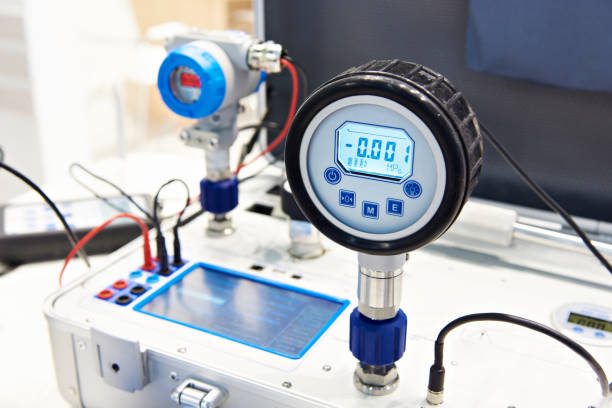
Calibration compares an instrument’s readings with a reference standard of known accuracy at several points across its working range. The differences are recorded and, if the instrument is outside its tolerance, it is adjusted and checked again. The results before and after adjustment, often called “as found” and “as left”, show how far the instrument had drifted and confirm that it now reads correctly.
The reference equipment matters as much as the instrument being checked. It must itself be calibrated, with results traceable through an unbroken chain of comparisons to national or international measurement standards.
Why instruments drift
No instrument stays accurate for ever. Sensors age, electronic components shift with time and temperature, and mechanical parts wear. Heat, humidity, dust, vibration and corrosive atmospheres speed this up. Gas detector sensors lose sensitivity as they age and can be damaged by exposure to some chemicals. An instrument that has been repaired, moved, overloaded or knocked may also stop reading as it should.
Drift is usually gradual, so it rarely shows in day-to-day readings. The only reliable way to find it is to check the instrument against a known reference.
What accurate readings protect
Regular calibration pays off in three ways:
- Accuracy and quality: accurate readings from sensors and instruments are vital for quality control, process safety and product consistency.
- Compliance: calibration helps meet ISO, ANSI and other regulatory requirements, keeping you ready for audits and reducing the risk of penalties for non-compliance.
- Efficiency and uptime: properly calibrated instruments cause fewer false alarms and process interruptions, so systems run more smoothly.
Safety instruments deserve particular care. A gas detector that reads low may not raise the alarm when a leak reaches a dangerous level. One that reads high sets off false alarms and needless shutdowns, and repeated false alarms teach people to ignore the real ones.
Which instruments need calibrating
Any instrument whose reading affects safety, product quality, billing or compliance belongs in a calibration programme. In a typical facility, that includes:
- Electrical meters and test equipment
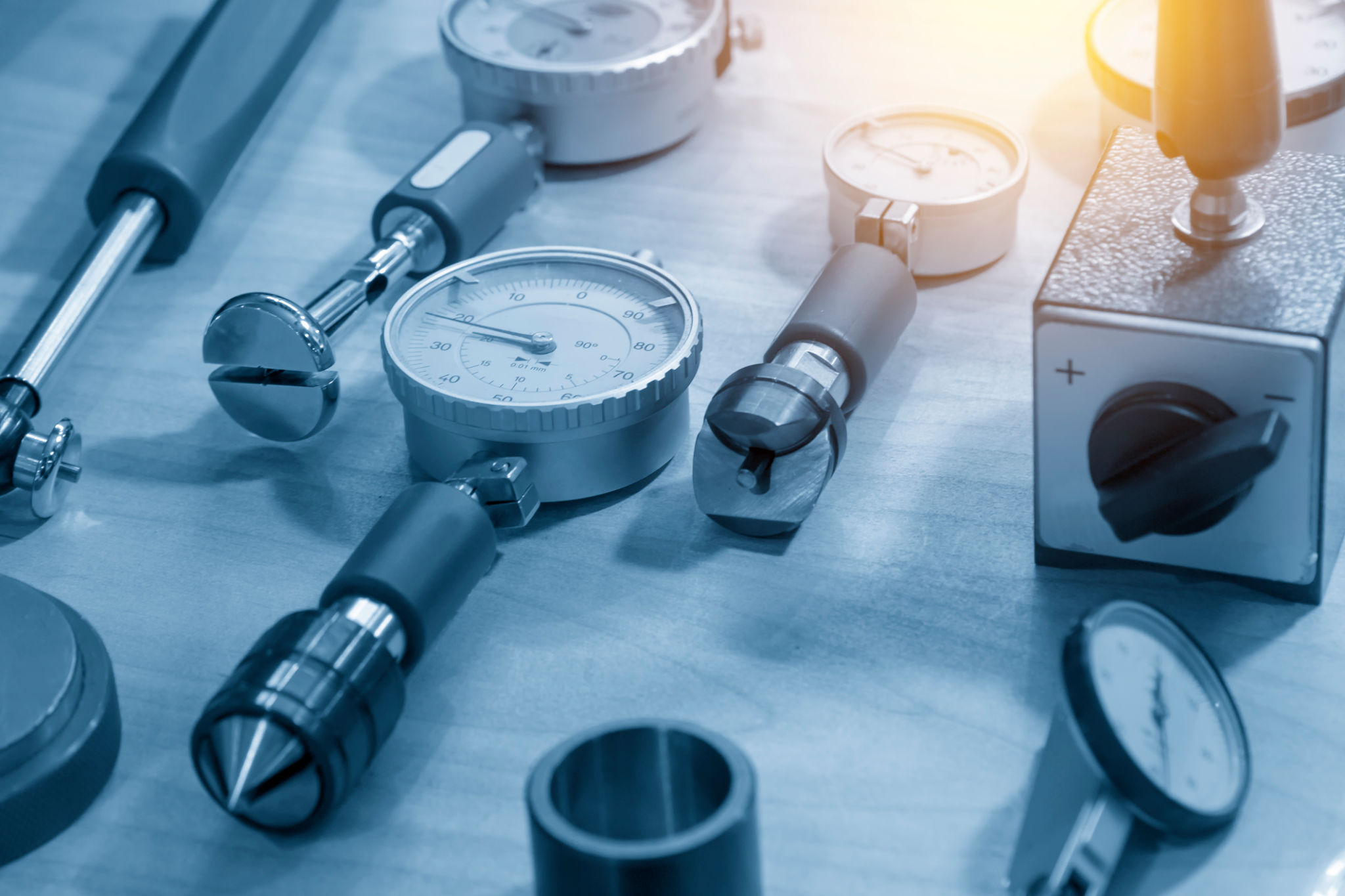
- Process instruments such as pressure, temperature, flow and level transmitters and gauges
- Fixed and portable fire and gas detectors, and other safety instruments
- Analysers that measure chemical composition, emissions and other process parameters
SourceGraph provides precision calibration across a wide range of devices, including electrical, safety, fire and gas detection and analytical instrumentation.
How often to calibrate
There is no single right interval. A sensible starting point is the manufacturer’s recommendation, adjusted for regulatory or client requirements and for how critical the measurement is. Calibration records then guide the schedule: an instrument that is often found out of tolerance needs checking more often, while one that stays stable may be checked less often.
Some instruments also need checks between calibrations. Gas detectors, for example, are commonly bump-tested: briefly exposed to a known gas to confirm that they respond and raise the alarm. Any instrument should also be recalibrated after a repair, a move or an event that may have affected it.
Keep good records
A calibration is only as useful as its record. For each instrument, note the date, the reference equipment used, the as-found and as-left results, the tolerance and the next due date, and label the instrument so that anyone can see its status at a glance. Good records make audits straightforward and show which instruments are drifting before they cause a problem.
How SourceGraph can help
SourceGraph specialises in precision calibration, alongside power control system installations and safety system integration. To discuss your instruments, send us a message to request a free consultation, or call us if your enquiry is time-sensitive.
Calibration and instrumentation systems
Precision calibration of electrical, safety, fire and gas detection and analytical instruments, for compliance and reliable performance.