

Industrial and commercial facilities depend on a steady, safe supply of electricity. A power control system manages that supply: it controls where power goes, protects people and equipment when something goes wrong, and keeps critical loads running when a source fails.
What a power control system includes
Every site is different, but most systems combine several of these parts:
- Switchgear and circuit breakers, which connect and isolate supplies and loads
- Protection relays, which detect faults such as overcurrent, earth faults and abnormal voltage or frequency, and trip the right breaker
- Automatic transfer switches and changeover panels, which move loads between the mains supply and standby generators
- Generator control and synchronising panels, which let several generators run together and share the load
- Uninterruptible power supplies (UPS) for equipment that cannot tolerate even a brief interruption
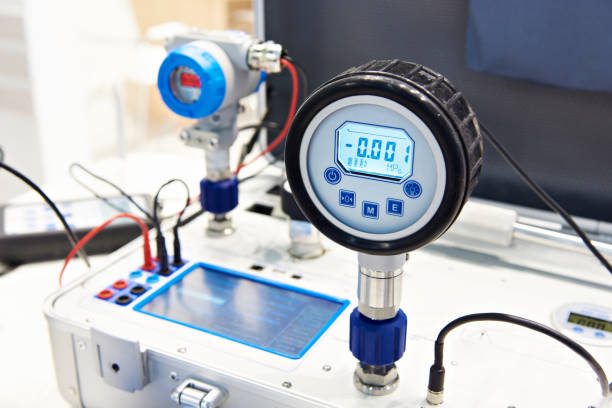
- Metering, monitoring and remote diagnostics, so that operators can see what the system is doing
Where a facility relies on generators as well as the mains supply, reliable changeover between the two is often the function that matters most.
What a well-designed system delivers
The benefits fall into three areas.
Energy efficiency
Power control systems monitor and regulate energy use. That helps a business cut energy waste, spread load sensibly across its supplies and lower its operating costs. Metering also shows where the energy goes, which is the first step towards using less of it.
Protection and safety
Real-time fault detection, surge protection and automatic shutdown during abnormal conditions protect both equipment and people. When protection is set correctly, a fault is cleared by the breaker nearest to it, so it stays a local problem rather than becoming a fire, a burnt-out motor or a site-wide outage.
Reliability and continuity
Automatic switching, backup power control and remote diagnostics keep operations running when a supply fails. This is critical in manufacturing, data centres and process industries, where an unplanned stop can spoil a batch, damage equipment or create a safety risk.
Why installation and commissioning matter
Good equipment does not guarantee a good system. How it is installed, set up and tested decides whether it works when it is needed. A sound project usually covers these stages:
- Assessing the site’s loads, supplies and operating needs
- Designing the system and selecting equipment rated for the site’s fault levels and conditions
- Installing it with correctly sized cables, sound terminations, proper earthing and clear labelling
- Setting the protection relays and testing every function, including changeover between supplies, before the system goes live
- Handing over drawings, settings and test records, and training the people who will operate the system
After handover, regular inspection and maintenance keep the system dependable. Protection settings should be checked, connections inspected, batteries tested and changeover schemes exercised, so that problems are found during planned work rather than during an outage.
How SourceGraph can help
SourceGraph provides end-to-end installation, commissioning and support for power control systems, building safe, efficient and robust power infrastructure tailored to each client’s operational needs. Our system applications servicing also covers training from basic to expert level, troubleshooting workshops on control systems, and operation and maintenance support for controllers such as AC 450 and Speedtronic systems such as Mark V and Mark VI.
To discuss a new installation or support for an existing system, send us a message to request a free consultation.
Power control system installation and support
Installation, commissioning and support of power control systems for safe, efficient and reliable power distribution.