
Wherever flammable or toxic gases are produced, stored or handled, a small leak or fire can grow quickly. A fire and gas system catches the first signs, warns the people at risk and acts automatically, often before anyone on site has noticed a problem.
Detect, decide, act
Every fire and gas system does three jobs. Detectors watch the plant continuously. A fire and gas panel or safety controller compares their signals with set alarm levels and decides what should happen. It then raises the alarm and starts the agreed actions. The result is continuous monitoring and instant alerts that help prevent explosions, toxic exposure and fire-related disasters.
Choosing and placing detectors
Different hazards call for different detectors, and most sites need several types:
- Flammable gas detectors measure gases such as methane or propane as a percentage of the lower explosive limit (LEL), the lowest concentration in air that can ignite. Point detectors cover one spot; open-path detectors watch an infrared beam across an area.
- Toxic gas detectors measure gases such as hydrogen sulphide or carbon monoxide in parts per million, at levels that harm people long before they could ignite.
- Flame detectors sense the ultraviolet or infrared radiation of a flame within seconds, even outdoors, where smoke would blow away.
- Smoke and heat detectors protect enclosed rooms such as control rooms and switch rooms.
Placement matters as much as the type. Methane and hydrogen are lighter than air and rise; hydrogen sulphide and propane are heavier and collect in pits, trenches and other low points. Detectors must sit where leaking gas will actually go, allowing for likely leak sources, ventilation and wind.
From alarm to action
Safety systems trigger alarms, shutdowns or containment procedures when conditions become abnormal, for a rapid response and lower risk. A common arrangement uses two levels. A first alarm, for flammable gas often set between 10 and 20% of the LEL, warns operators to investigate. A higher level, often confirmed by a second detector so that one faulty unit cannot stop the plant, starts automatic actions such as:
- shutting down process equipment and closing fuel and gas valves through the emergency shutdown (ESD) system
- starting or stopping ventilation and closing fire dampers
- releasing a suppression system
- sounding alarms and beacons, and alerting the control room
Matching suppression to the hazard
The right suppression system depends on what it protects. Water deluge and sprinklers cool process areas and structures, and foam smothers burning liquid fuels in tanks and bunds. Enclosed rooms full of electrical equipment, where water would do damage, use gaseous systems with carbon dioxide or clean agents instead. These need a warning and a delay before release, as some agents, carbon dioxide in particular, are dangerous to anyone still in the room.
Analysers: watching the process itself
Detectors look for gas or fire where there should be none. Analysers measure the process itself: the composition of a gas or liquid stream, its oxygen or moisture content, or the emissions leaving a stack. Gas chromatographs, oxygen analysers and continuous emissions monitoring systems are common examples. Their readings help maintain compliance, product quality and environmental safety: they keep a process within safe limits, show when a product is going off specification and provide the records that environmental permits often require.
An analyser is only as good as the sample it receives, so the sample lines and conditioning equipment feeding it deserve as much care as the analyser.
Keeping the system ready
A fire and gas system may sit quietly for years and then have seconds to work. Its logic is usually set out in a cause-and-effect chart, stating which detector, at which level, triggers which alarm and action. The chart is the reference for testing and for every later change. Good practice includes:
- testing the whole chain regularly, from detector to final action
- recording every override, limiting how long it lasts and providing other protection meanwhile
- reviewing detector coverage and the chart whenever the plant layout, process or ventilation changes
- training operators to recognise each alarm and the response expected of them
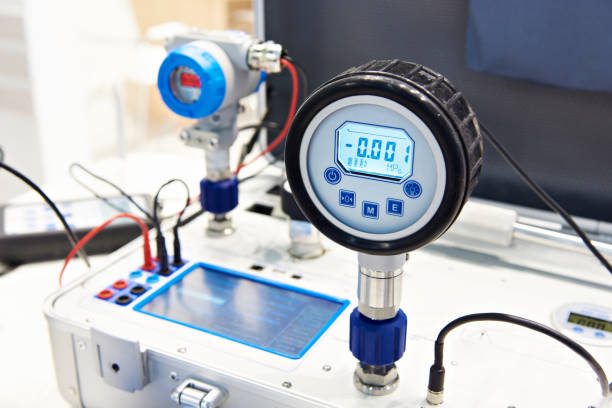
Detectors and analysers also need regular calibration, which SourceGraph’s calibration and instrumentation service covers.
How SourceGraph can help
SourceGraph designs and deploys advanced safety systems, including gas detection and fire suppression, along with industrial analysers that support process reliability and personnel safety in critical environments. Safety is one of our core values: we prioritise the well-being of people, systems and environments. To talk about protecting your site, send us a message and request a free consultation.
Fire, gas, safety and analyser systems
Gas detection, fire suppression and safety systems, with industrial analysers that support process reliability and personnel safety.